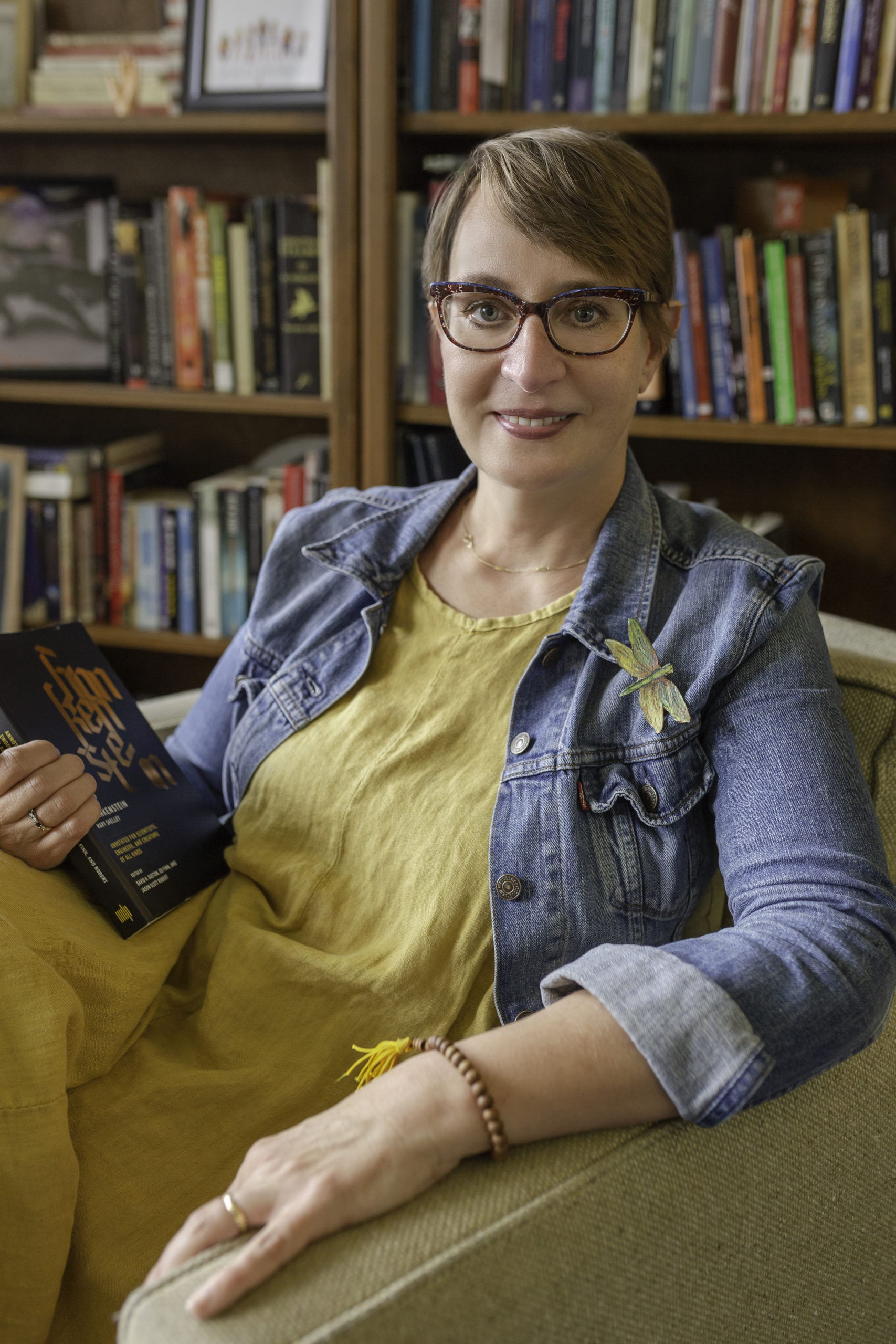
Chaplains fulfill many roles, but most meaningful to me, they accompany people during times of existential crisis. When we face death, isolation or loneliness, freedom or loss of freedom, or the need to make meaning of our lives, it is helpful to have someone who can journey with us, listening and asking the right questions. I will not provide answers but help support you as you find your own answers.
We often turn to chaplains in time of grief. I am honored to walk alongside someone as they work through loss. Grief takes many forms, changing from day-to-day or week-to-week; there is not any one way to grieve. Often it is a relief to express your grief to someone who is not also grieving; someone who understands and can just be present.
The support I offer integrates my commitment to interfaith spirituality with evidence-based research and training in spiritual care and counseling, including meditation, breathwork, energy healing, and a deep history in understanding ourselves through story. As a spiritual director or spiritual companion, I honor your own experience as a spiritual person and can support you as you connect with the transcendent or holy as you know it.
One method by which we understand our place in this universe is through story, archetype, and ritual. We look to mythology, religion, folktale, literature, and psychology for reflections of self and examples of transformation. As a person who has spent her life at the intersection of spirituality and literature, I relish mapping this landscape with others.
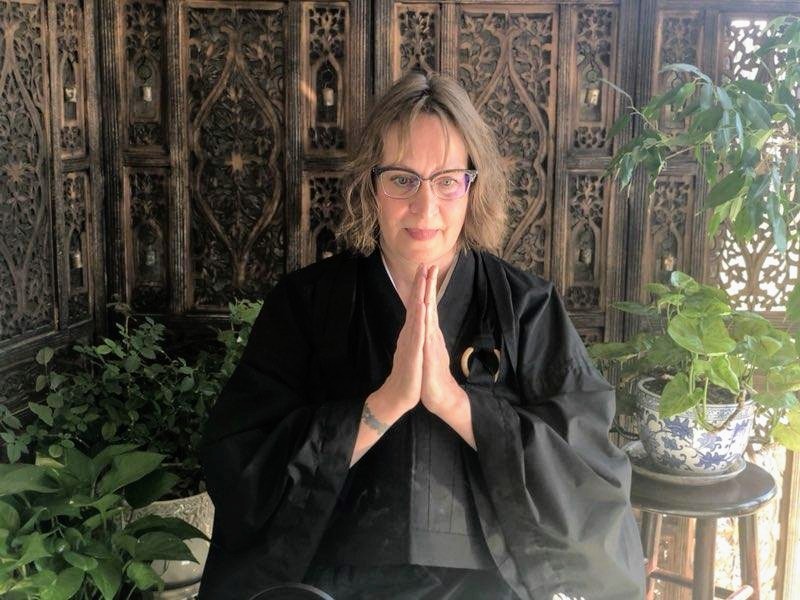
I have master’s degrees in Pastoral Care and Counseling from the New York Theological Seminary and the New York Zen Center for Contemplative Care (NYZCCC) and in East Asian Languages and Culture from Columbia University, as well as a PhD in Literature from the University of California, San Diego. I completed internships and residency program in clinical pastoral education at Parkland Health and Hospital System in Dallas, Texas. I am a practicing Soto Zen Buddhist and formal student of Robert Chodo Campbell at NYZCCC.
Whether you are experiencing a time of transformation, facing death, grieving, looking for meaning or connection, or even just looking to go deeper with your lived experience, I am available to work with individuals, couples, and families in person here in Southern Illinois, or remotely by phone or video chat.